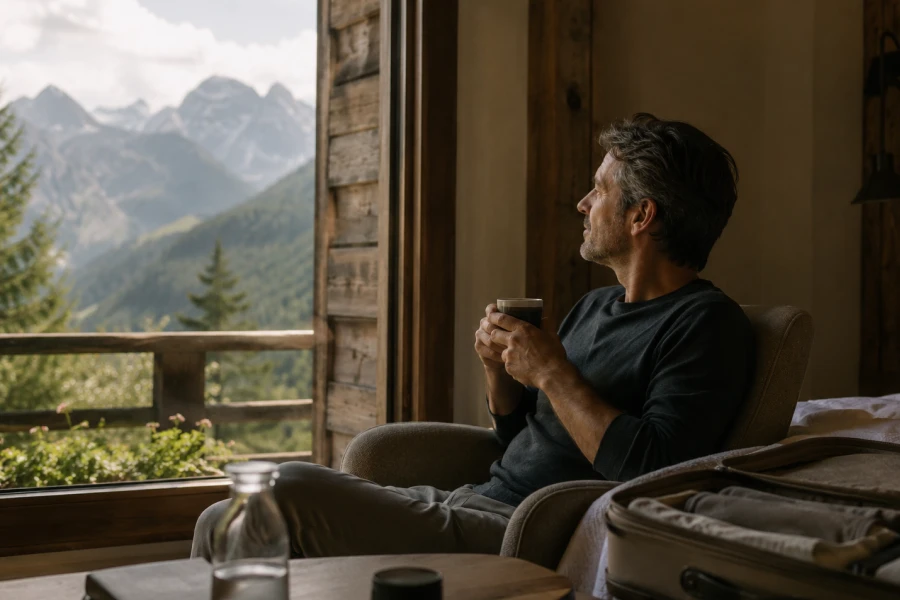
Real travel burnout recovery begins by admitting that excitement can turn into pressure. Trips can become too packed. Choices can feel endless. Expectations can become heavy. Even beautiful places can exhaust you. Planning should support your energy. It should not consume it. A calmer approach changes everything. Enjoyment returns when space returns. Travel feels possible again.
Burnout often starts during planning. Tabs multiply quickly. Reviews become confusing. Budgets feel uncertain. Friends offer conflicting advice. Social media adds pressure. You need limits early. Choose fewer trusted sources. A stress free travel preparation method helps reduce noise. Calm planning protects the actual trip.
A recovery-minded schedule looks different. It includes slower mornings. It protects meals and rest. It avoids constant rushing. One major activity may be enough. Local wandering can count too. Breaks are not wasted time. They help the trip feel alive. A calm trip planning resource supports that shift. Better days need breathing room. When rest becomes part of the plan, travel feels restorative instead of draining.
Overplanning has clear signals. You feel tired before leaving. Every day looks crowded. Meals appear as afterthoughts. Backup plans create more stress. Companions seem less enthusiastic. You keep changing the route. Nothing feels good enough. Your body feels tense while planning. Those signs deserve attention. Noticing them early helps you simplify the trip before stress takes over.
Smaller choices rebuild enjoyment. Pick one daily priority. Choose nearby activities when possible. Let some meals stay spontaneous. Stop comparing your plan constantly. Limit travel content before departure. Use one central planning document. Remove activities chosen from guilt. A travel enjoyment planner helps simplify decisions. Relief often follows subtraction.
Recovery does not mean boredom. Adventure can still exist. It simply needs pacing. A challenging hike may need rest afterward. A busy city day may need a quiet dinner. A long museum morning may need open time. Balance keeps wonder alive. Energy management protects curiosity. Travelers enjoy more when they do less. Adventure improves with space. When adventure has room to breathe, it becomes more memorable and less exhausting.
The best trips leave warmth behind. You remember moments clearly. You do not only remember logistics. Good planning supports recovery afterward. Leave space before returning to work. Avoid late-night arrivals when possible. Unpack soon after coming home. Save reflections while memories are fresh. Notice what restored you most. Let that shape future travel. A truly successful trip should give you energy to carry home, not only memories to look back on.
Travel burnout recovery begins when planning stops feeling like another obligation. By simplifying choices, slowing the schedule, and protecting rest, travelers can reconnect with the joy of being away. Recovery does not remove adventure; it simply gives adventure room to feel good again. A more spacious trip can leave you restored instead of drained.




Leave a comment